By Virpratap
India is home to some of the most remarkable tiger reserves in the world, each offering unique landscapes, diverse wildlife, and unforgettable experiences. In this article, I’ve listed out my personal favourites, along with a bit of information and advice.
#6 Jim Corbett National Park
I’m starting off the list with one of the most renowned national parks in India, and the world. Made famous by Jim Corbett, a poacher turned wildlife conservationist, this national park has regular sightings of tigers, leopards, and elephants. However, the true beauty of the forest is its diverse birdlife, with over a thousand species of birds found here. I recommend visiting the Dhikala zone for a safari, as it offers the highest chance of seeing a tiger. If you’re wondering why I’ve placed this park at the bottom of my list, it’s not because the forest is lacking in any way; it’s just that the ones higher up offer even more spectacular experiences. The park is about a six-hour drive from Delhi. Alternatively, you can fly to Dehradun airport and then drive for three hours south to the reserve. I suggest staying the night in Moradabad before continuing on to the reserve. This will break up the journey and ensure a more comfortable travel experience.
#5 Ranthambore National Park
Ranthambore National Park is the most frequently visited forest on this list, offering a unique blend of desert and forest landscapes. Located in the Aravalli biodiversity hotspot, Ranthambore is one of the premier locations in India for tiger sightings. The park features large lakes inhabited by crocodiles, scenic landscapes with deserted forts, gargantuan banyan trees, and long, winding jungle paths. Other wildlife includes spotted deer, leopards, striped hyenas, sloth bears, and wild boar. However, the influx of visitors has impacted the park’s pristine beauty, disturbing the local ecosystem. Despite this, Ranthambore remains a top destination for wildlife enthusiasts. The national park is about six hours away from Delhi by car. Alternatively, you can fly to Jaipur and drive to the reserve, making the journey more convenient and enjoyable.
#4 Bandhavgarh Tiger Reserve
Not far from Kanha Tiger Reserve further up on this list, Bandhavgarh National Park offers a contrasting landscape with its more arid and hilly terrain. This unique topography provides excellent visibility through the grasses, making tiger sightings almost guaranteed. In addition to tigers, the park is home to leopards, sloth bears, gaur (Indian bison), wild dogs, and spotted deer. To visit Bandhavgarh, fly to Jabalpur, followed by a four-hour drive to the reserve. This journey takes you to a remarkable wildlife sanctuary where the chances of encountering majestic predators and diverse fauna are exceptionally high.
#3 Bandipur Tiger Reserve
Located just a four -hour drive from Bangalore, Bandipur Tiger Reserve is one of India’s lushest forests. Nestled in the verdant foothills of the Nilgiris, Bandipur boasts the largest population of leopards and elephants in India, with sightings of leopards being almost guaranteed. Other notable wildlife includes tigers, gaur (Indian bison), sloth bears, mongooses, wild dogs (dhole) and various species of deer. The buffer zone, which is the semi-rural periphery of a national park, hosts an array of animals that can even be seen along the highway to Ooty in Tamil Nadu. To visit Bandipur, fly to Bangalore and drive south to Mysore. I recommend spending a night in Mysore before proceeding to the reserve. This journey offers an exceptional opportunity to experience the rich biodiversity and stunning landscapes of one of India’s premier wildlife sanctuaries.
#2 Kaziranga National Park
Located on the lush floodplains of the Brahmaputra Delta, Kaziranga National Park provides some of the most unique biodiversity in the world. A four-hour drive from Guwahati in Assam, the reserve is home to swamp deer, leopards, tigers, water buffaloes, hoolock gibbons (India’s only ape species), and the main attraction, the one-horned rhinoceros. Recently, a golden tiger in the central zone has garnered significant attention, along with a melanistic rhinoceros. I strongly recommend taking a river safari to appreciate the crucial role rivers play in Kaziranga’s ecosystem. To visit, fly from Delhi to Guwahati, and then drive to the reserve. The journey promises an unforgettable experience, offering a glimpse into one of the richest wildlife habitats in the world.
#1 Kanha Tiger Reserve
Located on the undulating plains of eastern Madhya Pradesh, Kanha Tiger Reserve truly deserves its place among India’s top wildlife sanctuaries. With dewy early morning meadows and shadowy sal groves, Kanha is one of the most visually stunning places in the country. The reserve’s vast bamboo thickets are frequented by elusive sloth bears and honey badgers, along with a variety of wildlife including spotted deer, barasingha (swamp deer), gaur (a type of bison), dholes (Indian wild dogs), leopards, and, of course, tigers. The forests of Kanha are primarily composed of teak, sal, and mahogany trees, with some mulberry and bamboo interspersed. These trees cool the forest by releasing moisture from their leaves, creating comfortable microclimates for both animals and visitors. To visit Kanha, travellers must fly from Delhi to either Jabalpur or Nagpur, followed by a drive of three to five hours, respectively. This journey, though long, is well worth it for the chance to experience the unparalleled beauty and biodiversity of Kanha Tiger Reserve.
India’s tiger reserves are not just sanctuaries for the majestic Bengal tiger, but also vibrant ecosystems teeming with diverse flora and fauna. From the birdlife of Jim Corbett National Park to the unique blend of desert and forest in Ranthambore, the arid hills of Bandhavgarh, the lush forests of Bandipur, and the unique biodiversity of Kaziranga, each park offers a distinctive experience for wildlife enthusiasts. Concluding with the visually stunning Kanha Tiger Reserve, it is clear that these protected areas play a crucial role in preserving India’s natural heritage. Visiting these reserves provides a rare opportunity to connect with nature, witness incredible wildlife, and support conservation efforts crucial for the survival of these species. Whether you’re an avid wildlife photographer, a nature lover, or simply seeking an adventurous escape, India’s tiger reserves promise an unforgettable journey into the heart of the wild.
Virpratap Singh Thind
Photos:-
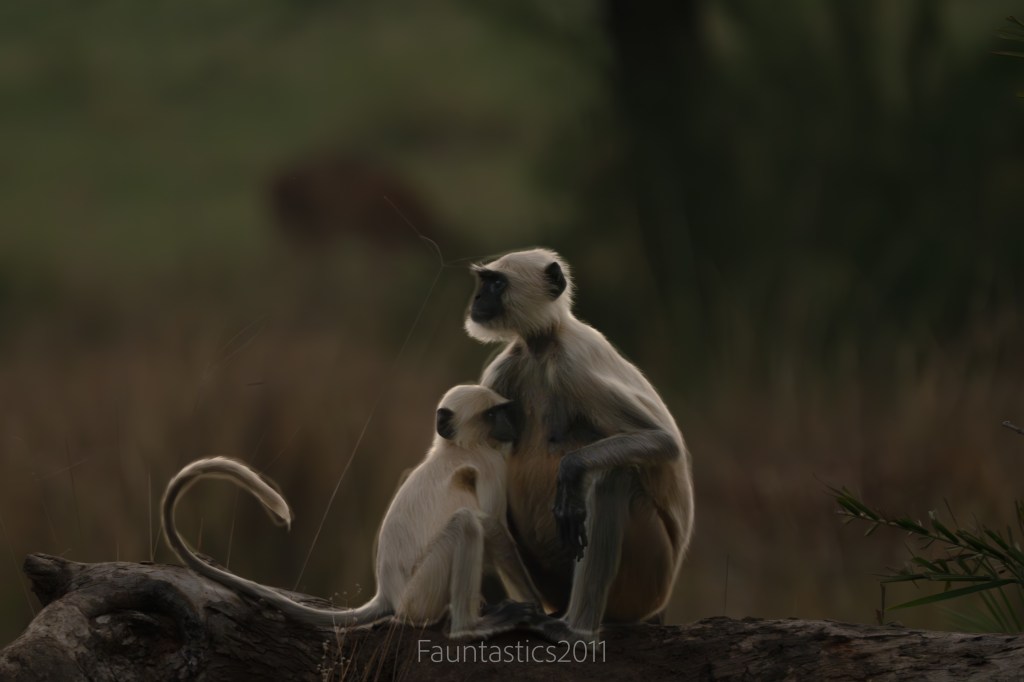
- Langurs at sunset
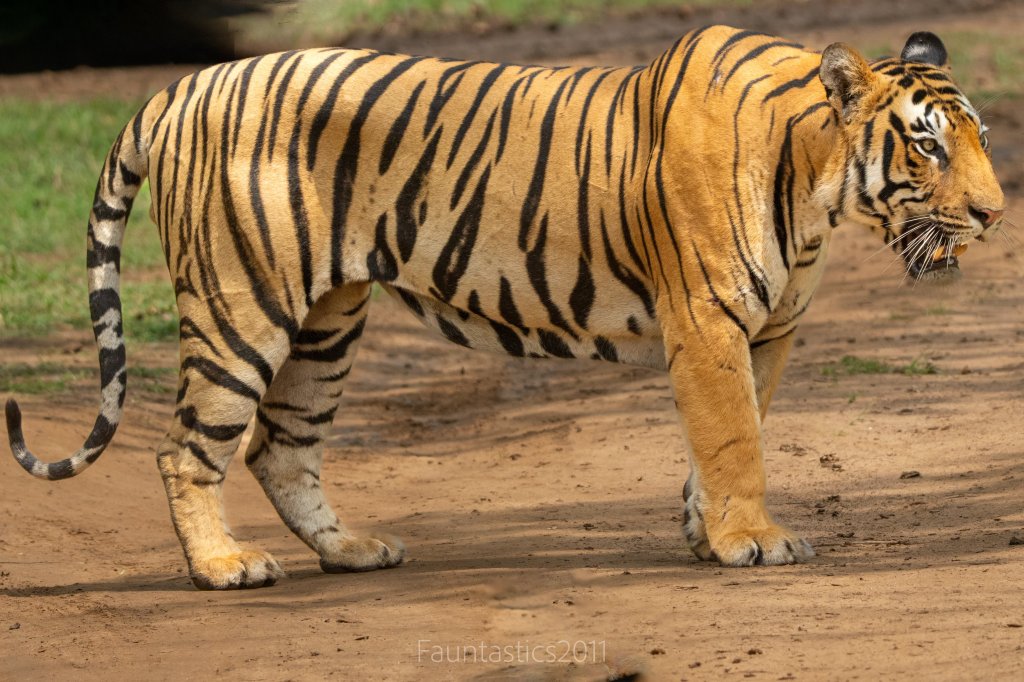
- A male tiger
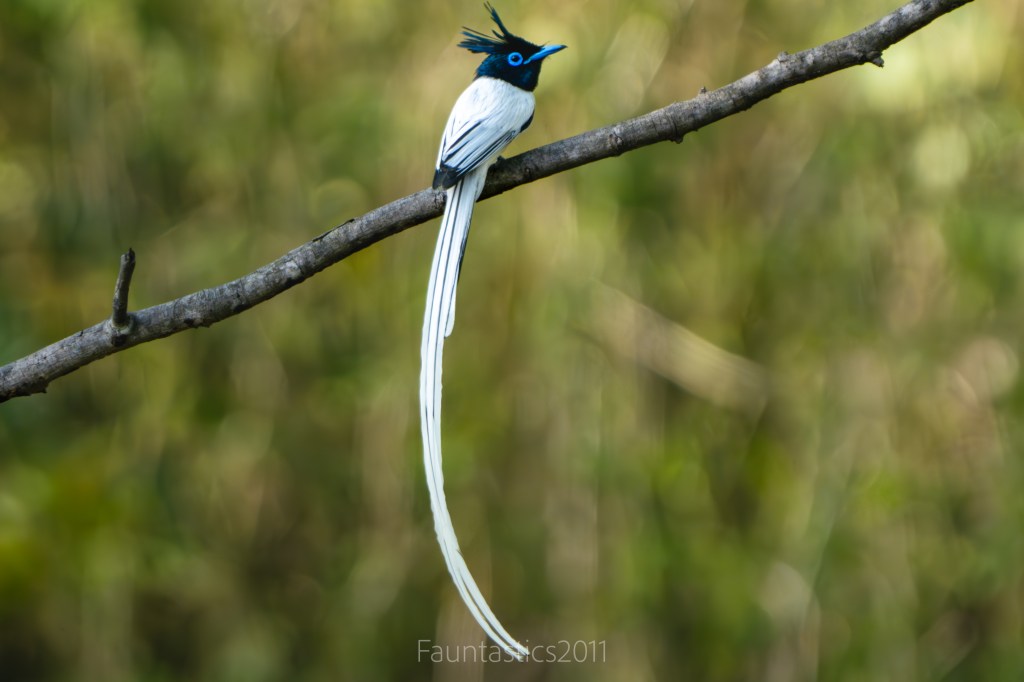
An Indian Paradise Flycatcher
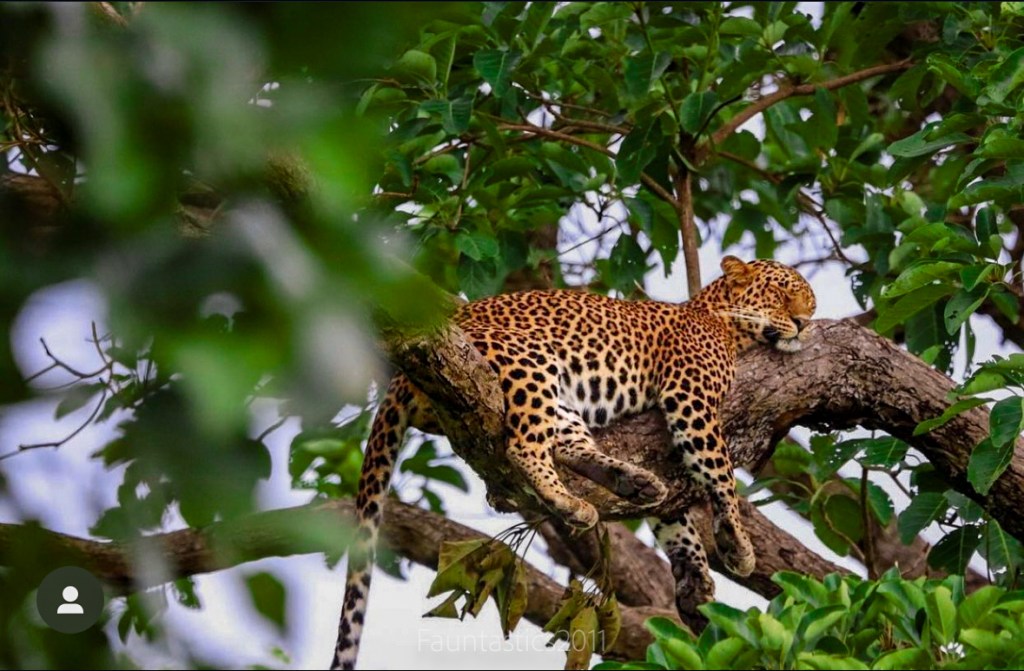
Leopard
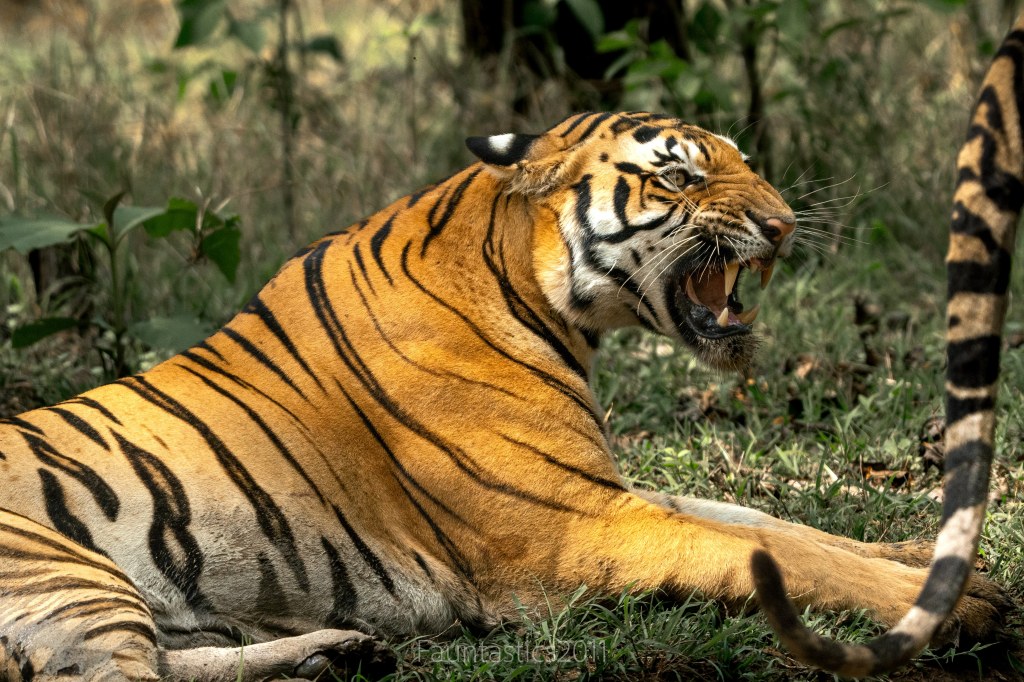
A Female tiger
A male tiger marking its scent at bandipur tiger reserve
 Site Title